

Catalog NumberHG25608122
CAS Number25608-12-2
CategoryPolymer Surfactants
Use as dispersing agent, emulsifying agent.
Use as thickening agent.
Use as flocculant. For example, used in water treatment.
Use as adhesive.
Use as lubricant.
Potassium Polyacrylate as Superabsorbent Polymer for Agricultural Water Management
 Adeoye, Akinwunmi O., et al. Archives of Razi Institute 79.4 (2024): 805.
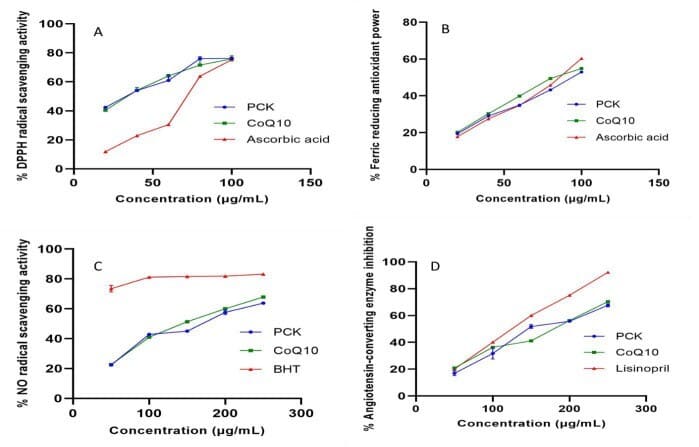
Potassium polyacrylate (PCK) is a superabsorbent polymer whose biological activities, particularly antioxidative potential and effects on mitochondrial function, are poorly understood. Its polyanionic structure may allow metal chelation, but its capacity to modulate oxidative stress and mitochondrial permeability transition (mPT) pore opening remains uncharacterized. Given the central role of mitochondria in regulating apoptosis through the mPT pore complex, evaluating PCK's effects on mitochondrial function could reveal therapeutic applications for conditions involving excessive apoptosis such as neurological disorders.
Experimental Protocol: In vitro antioxidant assays including DPPH and nitric oxide radical scavenging, ferric reducing antioxidant potential (FRAP), and angiotensin-converting enzyme (ACE) inhibition were performed. Lipid peroxidation was assessed in rat hepatic tissue. Mitochondrial swelling was evaluated under succinate-energized conditions. Cytochrome c release and mitochondrial ATPase activity were measured to determine PCK and coenzyme Q10 (CoQ10) effects on mPT pore opening.
Performance Evaluation: PCK exhibited high DPPH radical scavenging with the lowest IC50 of 54.05 ug/mL, while CoQ10 showed higher ferric reducing power (IC50=82.14 ug/mL). Both compounds inhibited ACE activity and prevented lipid peroxidation. Critically, PCK modulated mPT pore opening without causing significant cytochrome c release, while increasing mitochondrial ATPase activity. CoQ10 showed mild inductive effects on mPT pores at higher concentrations. These results suggest PCK may be therapeutically useful in diseases where excessive apoptosis contributes to tissue pathology.
Potassium Polyacrylate Hydrogel Electrolyte for Activated Carbon Supercapacitor Performance
 Kim, Kwang Man, et al. Journal of Applied Electrochemistry 46.5 (2016): 567-573.
Supercapacitors must simultaneously deliver high energy density, high power density, and long cycle life. The conventional design of activated carbon electrodes on current collectors separated by a separator in aqueous electrolyte can be improved by converting the liquid electrolyte into hydrogel form. Hydrogel electrolytes offer advantages over liquids by providing sticky contact among electrode, electrolyte, and separator layers, reducing interfacial resistances and simplifying cell fabrication. Potassium polyacrylate (PAAK) serves as an effective gelator for hydrogel electrolytes compatible with aqueous KOH solutions.
Experimental Protocol: PAAK-KOH hydrogel electrolytes were prepared with PAAK at 0, 2.0, 3.9, and 5.6 wt% in 9 M KOH, coated onto glass fiber separators, vacuum-dried, and aged 24 hours. Activated carbon electrodes were fabricated on nickel foam current collectors instead of conventional nickel foil. Supercapacitor cells were electrochemically characterized using potentiostatic and galvanostatic methods across a range of current densities and scan rates.
Performance Evaluation: The combination of PAAK-KOH hydrogel electrolyte on glass fiber separator with nickel foam substrate synergistically increased specific capacitance to over 200 F g-1. The glass fiber separator provided a self-supporting hydrogel scaffold with superior ionic conductivity, while nickel foam strengthened interfacial contact between active material and current collector, markedly reducing resistance. High-rate capability was substantially enhanced compared to conventional configurations using foil collectors and liquid electrolytes.
Potassium Polyacrylate Hydrogel for Thermal Management of Lithium-Ion Battery Packs
 Jannesari, Hamid, et al. Energy conversion and management 196 (2019): 581-590.
Overheating during high-rate discharge is a critical challenge for lithium-ion batteries in large-scale applications such as electric vehicles and grid storage. Heat generation increases with discharge rate, leading to elevated internal resistance, reduced cell voltage, and potential cell damage. Passive thermal management using superabsorbent hydrogel materials such as potassium polyacrylate offers advantages over active systems by eliminating moving mechanical components, reducing system complexity, and improving reliability.
Experimental Protocol: Potassium polyacrylate hydrogel was inserted into a 500 Wh industrial battery pack containing 38 cylindrical 120-type LiFePO4 cells. Experiments were performed at 1C and 2C discharge rates, with numerical simulation extending results to 3C. Heat source terms were derived from experimental calorimetric data. The effects of hydrogel filling, inter-cell spacing, and thermal parameters on maximum pack temperature were evaluated through sensitivity analysis.
Performance Evaluation: Inserting potassium polyacrylate hydrogel led to maximum temperature decreases of 3.9 C, 7.5 C, and 10.9 C at 1C, 2C, and 3C discharge rates, demonstrating increasing effectiveness at higher rates. Temperature reduction was considerably influenced by complete hydrogel filling, particularly near the pack edges. Hydrogel-based thermal management demonstrated significant advantages over simply increasing inter-cell spacing. Sensitivity analysis revealed that cell density and specific heat capacity are dominant parameters governing pack thermal behavior.